

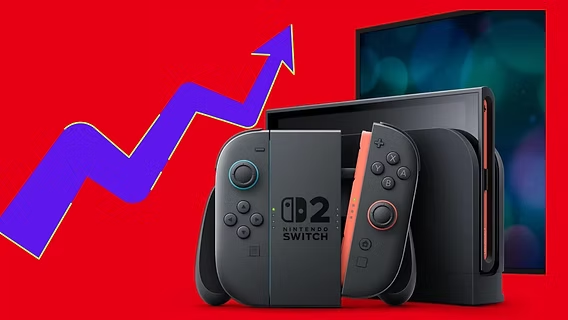
Why Switch 2’s price could rise next year
Sony has already moved in response. Earlier this month, the company confirmed a price increase for the PlayStation 5, with the base model now retailing at $549.99 USD. That decision was linked directly to tariff impacts and broader inflationary pressure.
Tariffs: the hidden chain of costs

🎮 Suggested Reading
Across electronics, tariffs are reshaping how companies handle costs. According to SupplyChainBrain, some manufacturers are facing cost increases of 10–15% solely due to higher tariffs and logistics surcharges. These pressures ripple through every layer of production, from sourcing raw materials to final distribution.
In the U.S., tariffs of up to 25% on imported electronics are already raising costs in the short term. If companies can’t absorb those hits, they often pass them on to consumers. The gaming industry isn’t immune: consoles, accessories, and even certain chipsets all sit within the affected categories.
Switch 2 sits right in the middle of this global squeeze. With assembly and components spread across Asia, rising tariffs mean higher operating costs for Nintendo. Unless absorbed internally, those increases could land on the final retail sticker.
What it means for players

If you’re planning to buy a Switch 2, this situation is worth watching. Even a modest hike — say $20 to $50 — could slow adoption for some players. That said, Nintendo’s strong software lineup and brand loyalty could soften the impact, especially if buyers view the system as a long-term investment in exclusive content.
From a competitive perspective, the timing is key. Sony has already raised PS5 prices, while Microsoft has so far avoided a broad increase. If Nintendo makes a move, it will need to frame the adjustment carefully — emphasizing value, unique content, or long-term support.
Final Thoughts:
Price hikes are never welcome, but history shows players adapt when the games are strong enough. If tariffs force Nintendo’s hand in 2026, the company will need to balance economics with perception — delivering value that justifies every extra dollar. From where I sit, the story of Switch 2 will still be written in its library, not its price tag.
